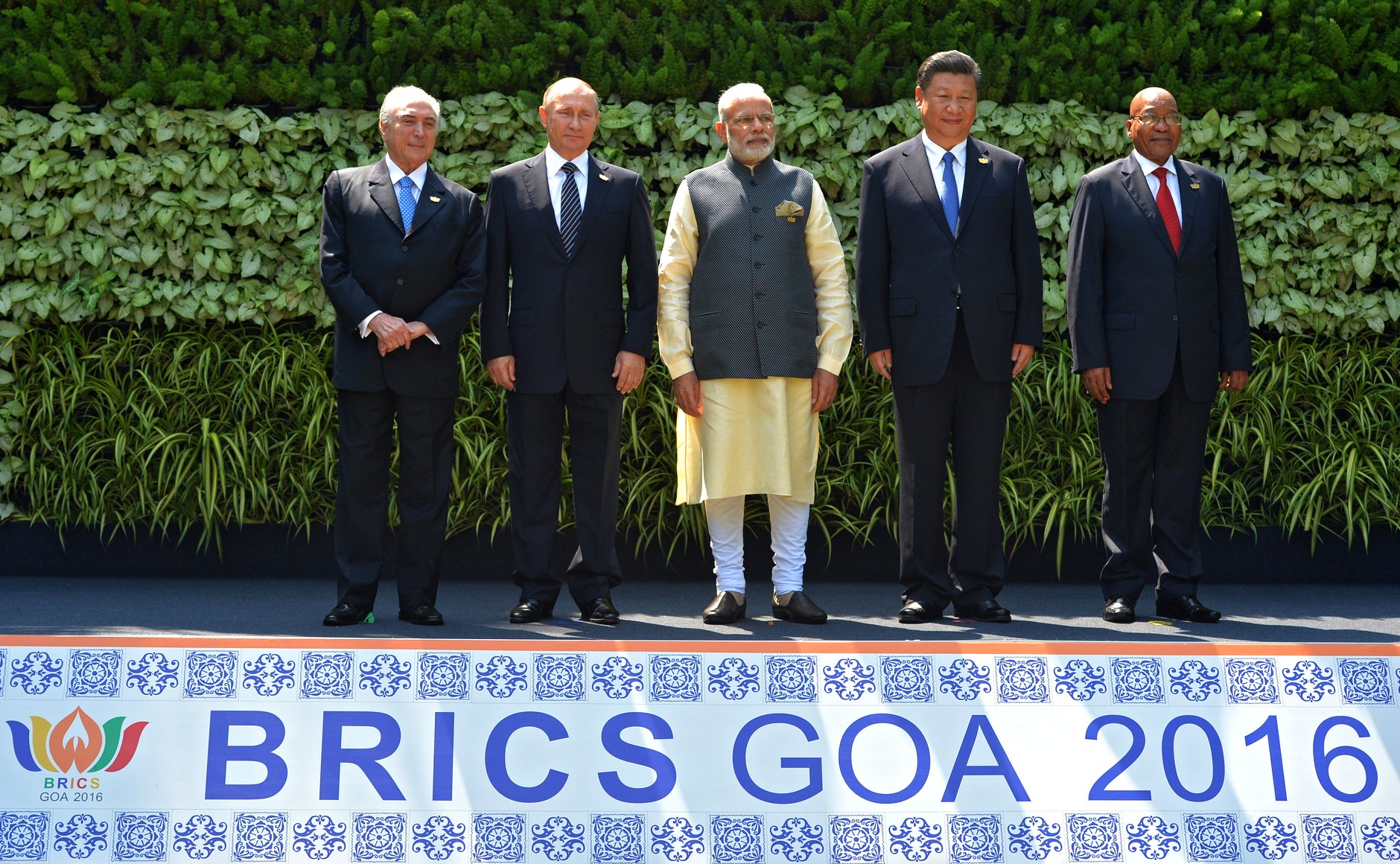
India's National Security Advisor Ajit Doval warned BRICS nations about the rise of cyber attacks and disruptive technologies during a meeting in Delhi.
These warnings highlight a shift in global security where non-traditional threats now bypass conventional borders and traditional defense mechanisms. Because these risks transcend national boundaries, they require a coordinated international response to prevent systemic instability.
During the 16th [1] BRICS National Security Advisers' Meeting, Doval said there are growing challenges stemming from new variants of terrorism [1]. He said these evolving threats are often paired with disruptive technologies that allow actors to operate with greater anonymity and reach [2].
Cyber attacks were identified as a primary concern for the bloc [1]. Doval said that the intersection of digital vulnerability and emerging tech creates a landscape where traditional security responses are no longer sufficient [2].
The meeting in Delhi served as a forum for the member nations to discuss how to synchronize their intelligence and security frameworks [1]. The focus remained on the necessity of multilateral cooperation to counter threats that no single nation can manage alone [2].
Doval's emphasis on non-traditional security suggests that the BRICS nations are increasingly concerned with the digital and technological dimensions of warfare [2]. This shift reflects a broader global trend where the battlefield has expanded from physical territory to cyberspace and algorithmic influence [1].
“Non-traditional threats increasingly transcend borders and bypass conventional security responses.”
The focus on non-traditional security at the BRICS level indicates a strategic pivot toward digital sovereignty and collective cyber-defense. By framing cyber threats and disruptive technology as primary security risks, India is pushing the bloc to move beyond traditional diplomatic cooperation toward a more integrated, technical security architecture to counter asymmetric warfare.


'%2F%3E%0A%20%20%20%20%3Crect%20width%3D'1600'%20height%3D'900'%20fill%3D'url(%23v)'%2F%3E%0A%20%20%20%20%3Cg%20opacity%3D'0.08'%20fill%3D'%23ffffff'%3E%0A%20%20%20%20%20%20%3Ccircle%20cx%3D'1420'%20cy%3D'180'%20r%3D'220'%2F%3E%0A%20%20%20%20%20%20%3Ccircle%20cx%3D'1500'%20cy%3D'760'%20r%3D'120'%2F%3E%0A%20%20%20%20%3C%2Fg%3E%0A%20%20%20%20%3Cline%20x1%3D'80'%20y1%3D'172'%20x2%3D'220'%20y2%3D'172'%20stroke%3D'%23ffffff'%20stroke-width%3D'3'%20stroke-opacity%3D'0.6'%2F%3E%0A%20%20%20%20%3Ctext%20x%3D'80'%20y%3D'140'%20font-family%3D'Inter%2C%20-apple-system%2C%20Helvetica%2C%20sans-serif'%20font-weight%3D'700'%20font-size%3D'28'%20fill%3D'%23ffffff'%20letter-spacing%3D'6'%3EHANNA%20%C2%B7%20NEWS%3C%2Ftext%3E%0A%20%20%20%20%3Ctext%20x%3D'80'%20y%3D'230'%20font-family%3D'Inter%2C%20-apple-system%2C%20Helvetica%2C%20sans-serif'%20font-weight%3D'600'%20font-size%3D'40'%20fill%3D'%23ffffffb3'%20letter-spacing%3D'4'%3EWORLD%3C%2Ftext%3E%0A%20%20%20%20%3Ctext%20x%3D'80'%20y%3D'694'%20font-family%3D'Playfair%20Display%2C%20Georgia%2C%20serif'%20font-weight%3D'800'%20font-size%3D'110'%20fill%3D'%23ffffff'%20letter-spacing%3D'-1'%3EIndia%20Issues%20Red%20Alert%20for%3C%2Ftext%3E%3Ctext%20x%3D'80'%20y%3D'820'%20font-family%3D'Playfair%20Display%2C%20Georgia%2C%20serif'%20font-weight%3D'800'%20font-size%3D'110'%20fill%3D'%23ffffff'%20letter-spacing%3D'-1'%3EVidarbha%20Heatwave%3C%2Ftext%3E%0A%20%20%20%20%3Ctext%20x%3D'80'%20y%3D'870'%20font-family%3D'Inter%2C%20-apple-system%2C%20Helvetica%2C%20sans-serif'%20font-weight%3D'500'%20font-size%3D'22'%20fill%3D'%23ffffff66'%20letter-spacing%3D'2'%3Enews.hanna-ai.com%3C%2Ftext%3E%0A%20%20%3C%2Fsvg%3E)