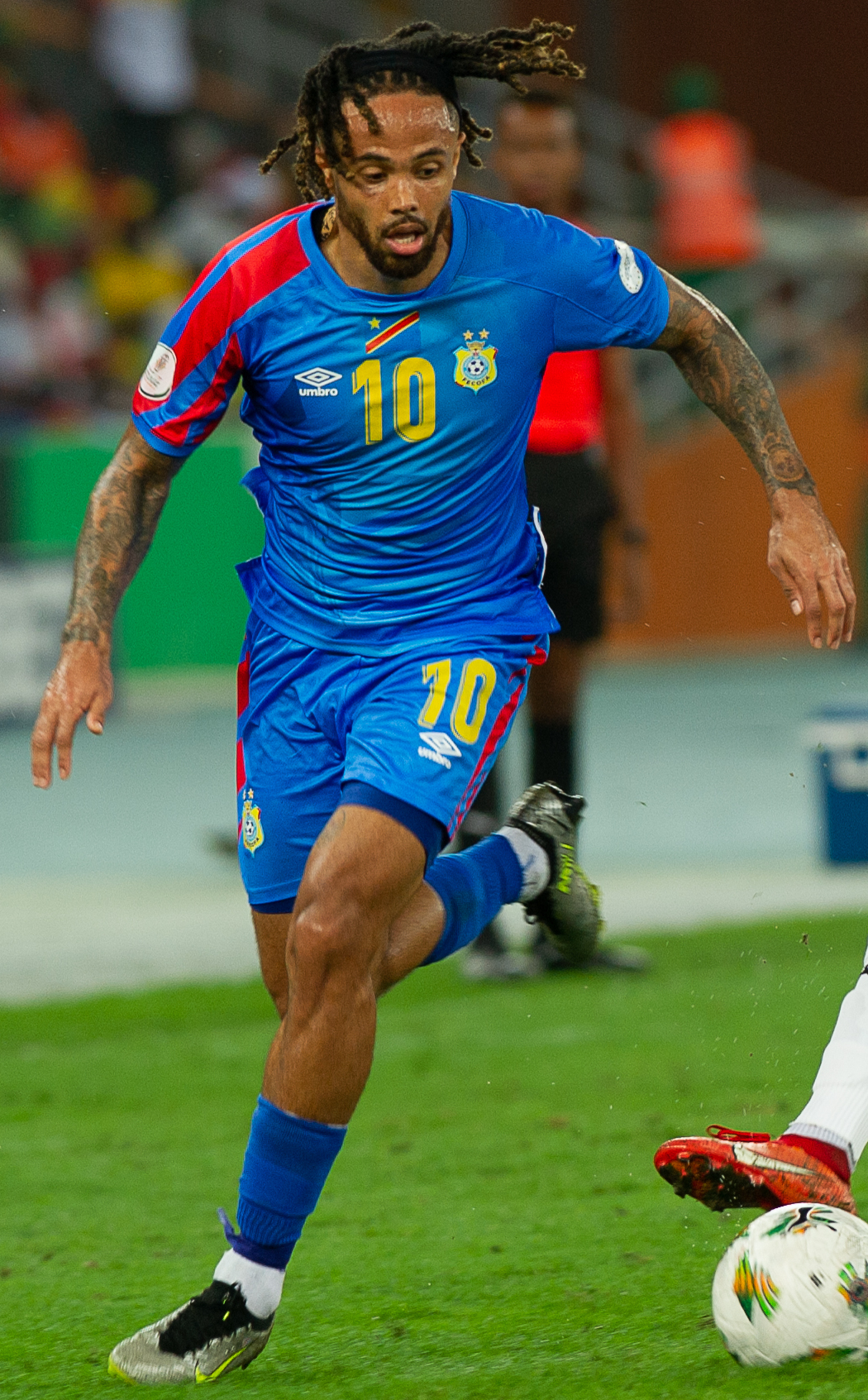
Supporters of the Democratic Republic of Congo national football team are struggling to afford official jerseys following a sharp rise in prices [1].
The cost surge threatens to alienate a significant portion of the fanbase just as the team, known as the Leopards, prepares for the global stage. This financial barrier highlights the economic disparity between the team's sporting success and the purchasing power of its supporters.
The price increases are particularly evident in the eastern part of the Democratic Republic of Congo [1]. Local markets have seen a spike in costs for official gear, leaving many fans unable to purchase the apparel they need to support their team [1].
Industry analysts said the trend is due to a surge in demand after the national team successfully qualified for the 2026 World Cup [1]. The increased visibility of the Leopards has created a high-demand environment that vendors are leveraging to increase prices [1].
While the qualification is a historic achievement for the nation, the commercial aftermath has created a divide. Many fans now find themselves priced out of official merchandise, a situation that often leads to a rise in counterfeit goods in regional markets.
Official sources said they have not yet provided a plan to stabilize costs or introduce more affordable options for the local population [1]. The current market volatility remains tied to the anticipation surrounding the upcoming tournament [1].
“Supporters of the Democratic Republic of Congo national football team are struggling to afford official jerseys.”
The surge in jersey prices reflects a common tension in international sports where athletic success triggers commercial exploitation. In the context of the Democratic Republic of Congo, this price volatility demonstrates how global sporting events can create immediate economic pressures for local fans, potentially shifting the market toward unregulated counterfeit apparel.


