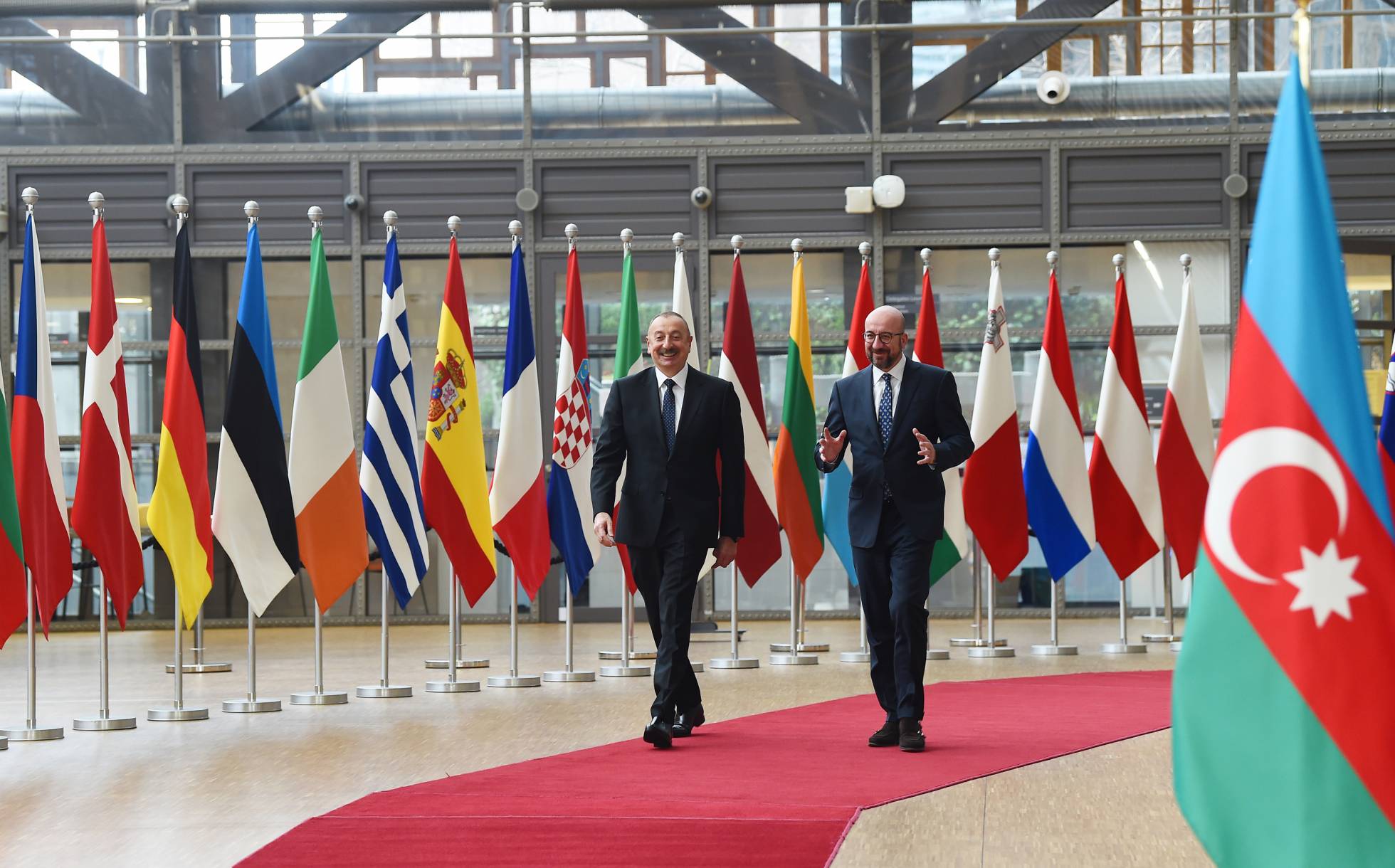
European Union leaders gathered in Brussels on Thursday for a summit to discuss the war in Ukraine and reset relations with Hungary [1].
The meeting marks a significant shift in the bloc's internal dynamics. With a new Hungarian leader at the table, the EU seeks to move past years of diplomatic friction and align its members more closely on security and trade policies.
Hungarian Prime Minister Péter Magyar attended the summit in Brussels [1]. His presence signals a potential departure from the previous administration's approach to European integration. While Magyar joined the official proceedings, former leader Viktor Orbán was sidelined from the summit for the first time in 16 years [2].
Reports indicate that Orbán spent the period meeting with far-right allies in Brussels rather than participating in the official EU agenda [2]. This separation highlights the ideological divide between the current EU leadership and the former Hungarian premier's political circle.
The summit's agenda focused heavily on the ongoing conflict in Ukraine, as leaders sought a unified front on military and financial support. The reset of EU-Hungary relations was also a primary objective for the gathering [2].
Outside the summit venue, the atmosphere remained tense. Hundreds of demonstrators gathered in Brussels ahead of the meetings [3]. The protesters pressed the European Union to curb trade with settlements as part of their demonstration [3].
While the current summit focused on internal EU and Ukraine matters, other diplomatic engagements are already on the calendar. A separate UK-EU summit is scheduled to take place in Brussels on July 22, 2026 [4].
“Viktor Orbán was sidelined from the EU summit for the first time in 16 years”
The transition of power in Hungary from Viktor Orbán to Péter Magyar provides the European Union with a strategic opening to resolve long-standing disputes over the rule of law and foreign policy. By sidelining Orbán, the EU is signaling a desire to pivot away from the confrontational diplomacy of the last decade and establish a more cooperative relationship with Budapest, particularly regarding the security architecture of Ukraine.