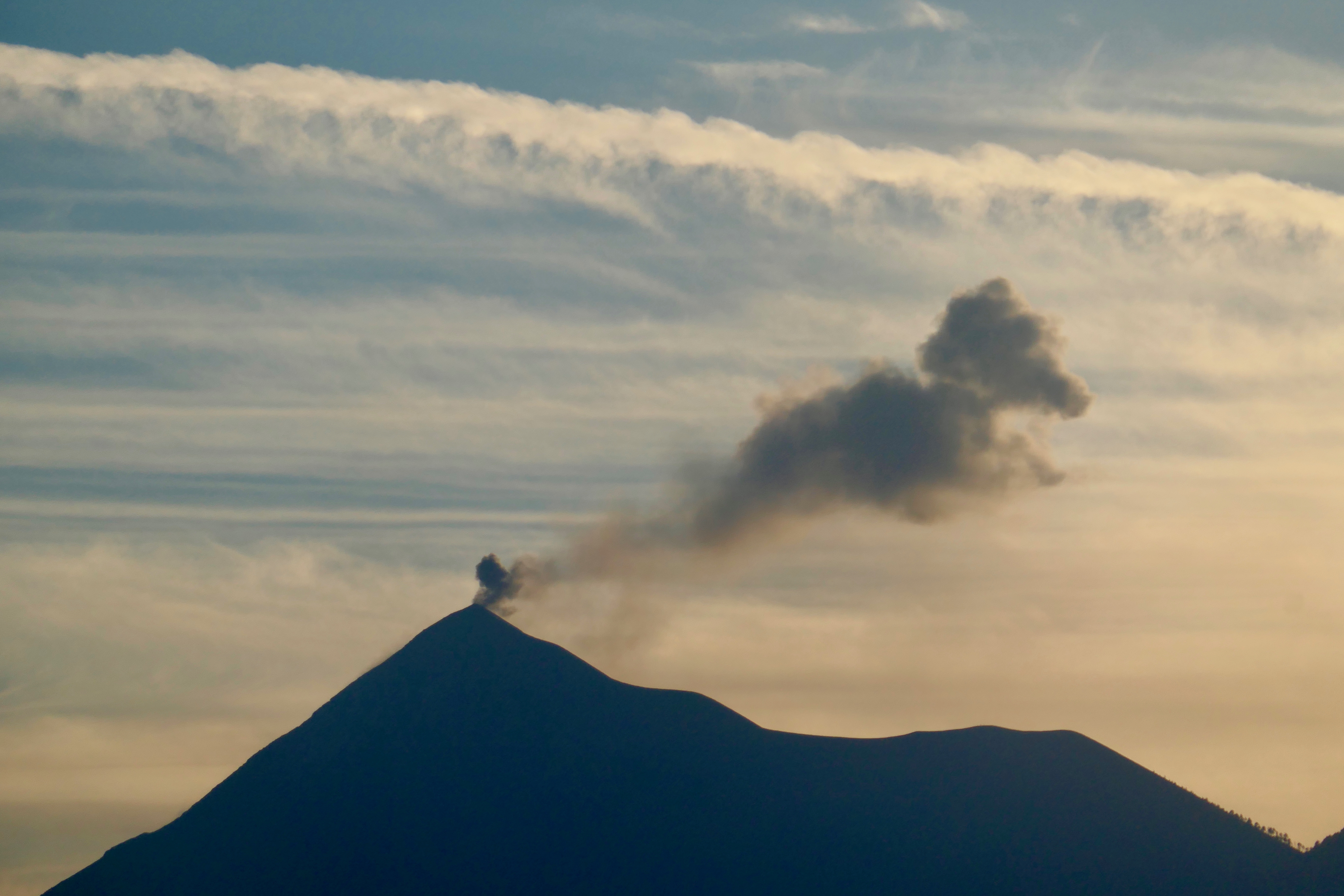
Tourists and hikers were forced to flee Volcán de Fuego in Guatemala after the volcano erupted, spewing ash, lava, and burning rocks [1].
The incident highlights the inherent risks associated with trekking on active volcanoes, where sudden shifts in eruptive phases can threaten human life.
The eruption occurred as hikers were ascending the mountain, which is located approximately 43 km [1] southwest of Guatemala City, near the town of Antigua. Witnesses said the volcano entered an eruptive phase, releasing projectiles and debris that forced visitors to scramble for cover [1], [2].
Footage from the scene showed hikers dodging burning rocks and running for safety as ash plumes rose behind them [2], [3]. The rapid onset of the activity required an immediate evacuation of the area to avoid the path of the flowing lava and falling debris [1], [3].
Volcán de Fuego is known for its frequent activity, making it a popular but dangerous destination for adventure tourism. The release of ash and lava during this event created an immediate hazard for those on the slopes, though the specific timing of the eruption was not detailed in initial reports [1], [2].
Emergency protocols for the region emphasize the need for rapid evacuation when the volcano shows signs of increased activity. The combination of lava and high-velocity projectiles makes the immediate vicinity of the crater extremely volatile during an active phase [1], [2].
“Tourists were forced to flee Volcán de Fuego in Guatemala after the volcano erupted”
The eruption of Volcán de Fuego underscores the volatility of Guatemala's volcanic arc and the risks posed to the tourism industry in the region. Because the volcano is located near populated areas like Antigua and is a frequent destination for hikers, sudden eruptive phases can lead to mass casualties if evacuation triggers are not managed with precision.


