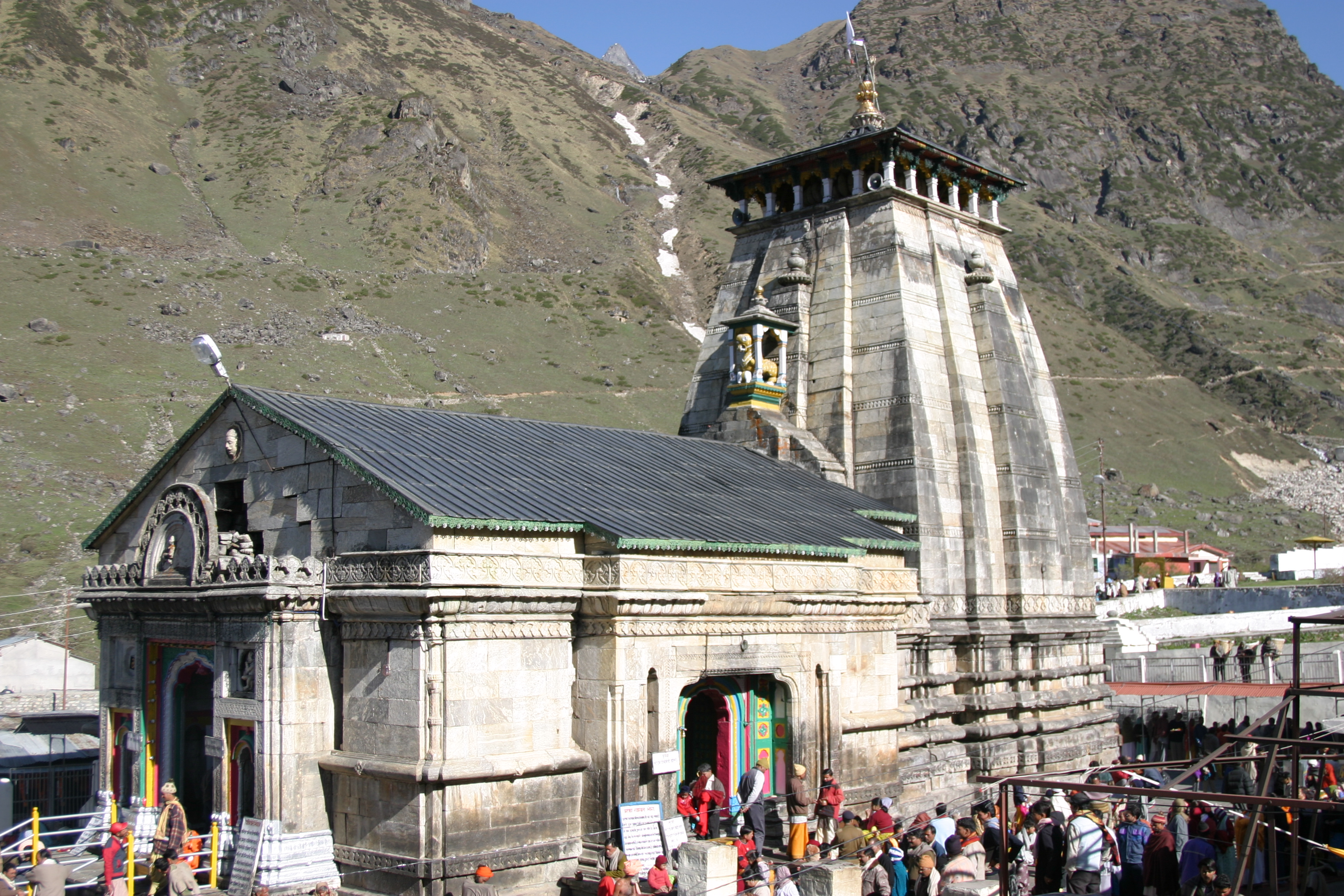
Reliance Industries Chairman Mukesh Ambani visited the Badrinath and Kedarnath temples in Uttarakhand on June 15, 2024 [2].
The visit underscores the intersection of India's corporate leadership and traditional spiritual practice. By publicly engaging with these high-profile shrines, Ambani aligns his personal faith with a visible commitment to national well-being and public infrastructure.
Ambani arrived at the Badrinath Temple in the Chamoli district and the Kedarnath shrine to offer prayers [3, 4]. He performed traditional rituals while dressed in traditional attire [2, 3]. The Chairman said the purpose of the visit was to seek blessings for the happiness, prosperity, and well-being of the nation [4, 1].
During the pilgrimage, Ambani provided financial support to the local religious administration. He donated Rs 5 crore [1] to the temple committee. The funds are designated specifically for pilgrim welfare [1], ensuring better facilities and support for the thousands of devotees who visit these high-altitude shrines annually.
The trip included a total of two major temples [2]. These sites are among the most sacred in the Hindu faith, often requiring significant travel and physical endurance to reach. Ambani's presence at both sites highlights a comprehensive spiritual itinerary within the state of Uttarakhand [3, 4].
Local officials and temple administrators coordinated the visit to ensure the rituals were performed according to tradition. The donation to the committee marks a continuation of philanthropic efforts by the Reliance leader, extending his corporate social responsibility into the realm of spiritual and community welfare [1, 4].
“Mukesh Ambani visited the Badrinath and Kedarnath temples in Uttarakhand on June 15, 2024.”
The visit and subsequent donation reflect a broader trend of India's ultra-high-net-worth individuals leveraging spiritual pilgrimages to reinforce cultural identity and public goodwill. By funding pilgrim welfare, Ambani addresses the logistical challenges of the Char Dham Yatra, potentially influencing how private capital is used to maintain public religious infrastructure in Uttarakhand.


