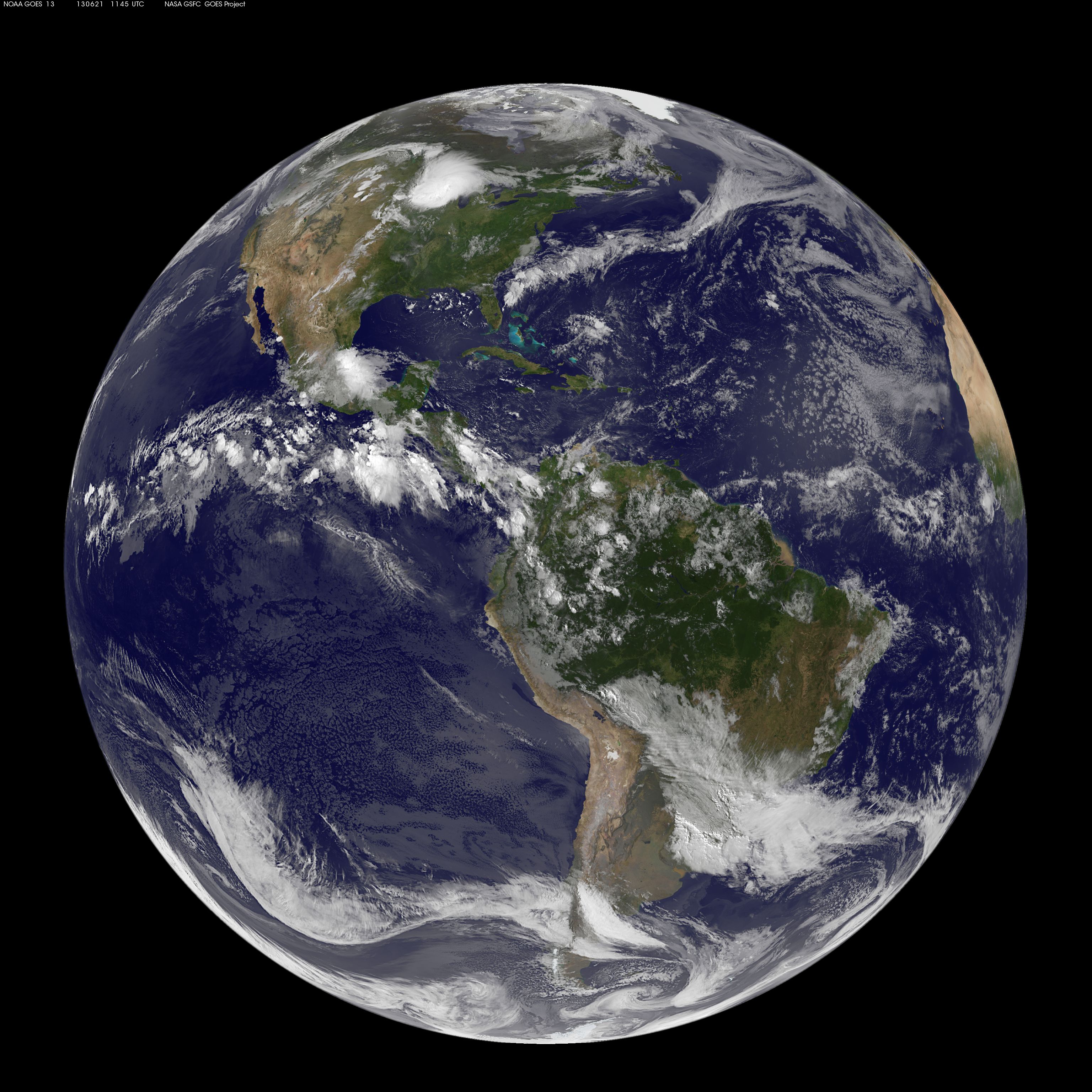
The Northern Hemisphere will experience the summer solstice on June 21, 2026 [1], marking the longest period of daylight for the year [3].
This astronomical event is significant because it defines the transition of seasons and dictates the amount of solar energy reaching the Earth's surface. The solstice serves as the official start of the season on the astronomical calendar [1].
The phenomenon occurs because of the Earth's axial tilt. During the solstice, the Northern Hemisphere is tilted toward the Sun [5], which creates the maximum duration of sunlight across the region [3]. This alignment results in the sun reaching its highest point in the sky at noon.
While the solstice is often associated with the beginning of heat, it is fundamentally a geometric event based on the planet's orbit. The tilt ensures that regions further north receive more direct sunlight than they do at any other time of the year [5].
For many, the event is more than a scientific marker. It is a point of reference for agricultural cycles, and historical celebrations that track the movement of the sun through the sky [4]. The shift in daylight hours begins to reverse immediately after this peak, as the hemisphere slowly tilts away from the Sun over the following months [5].
“The summer solstice marks the longest period of daylight for the year.”
The summer solstice is a critical astronomical marker that distinguishes between meteorological summer—which is based on temperature averages—and astronomical summer, which is defined by the Earth's position relative to the sun. This event underscores the impact of axial tilt on global climate patterns and day-length variability.