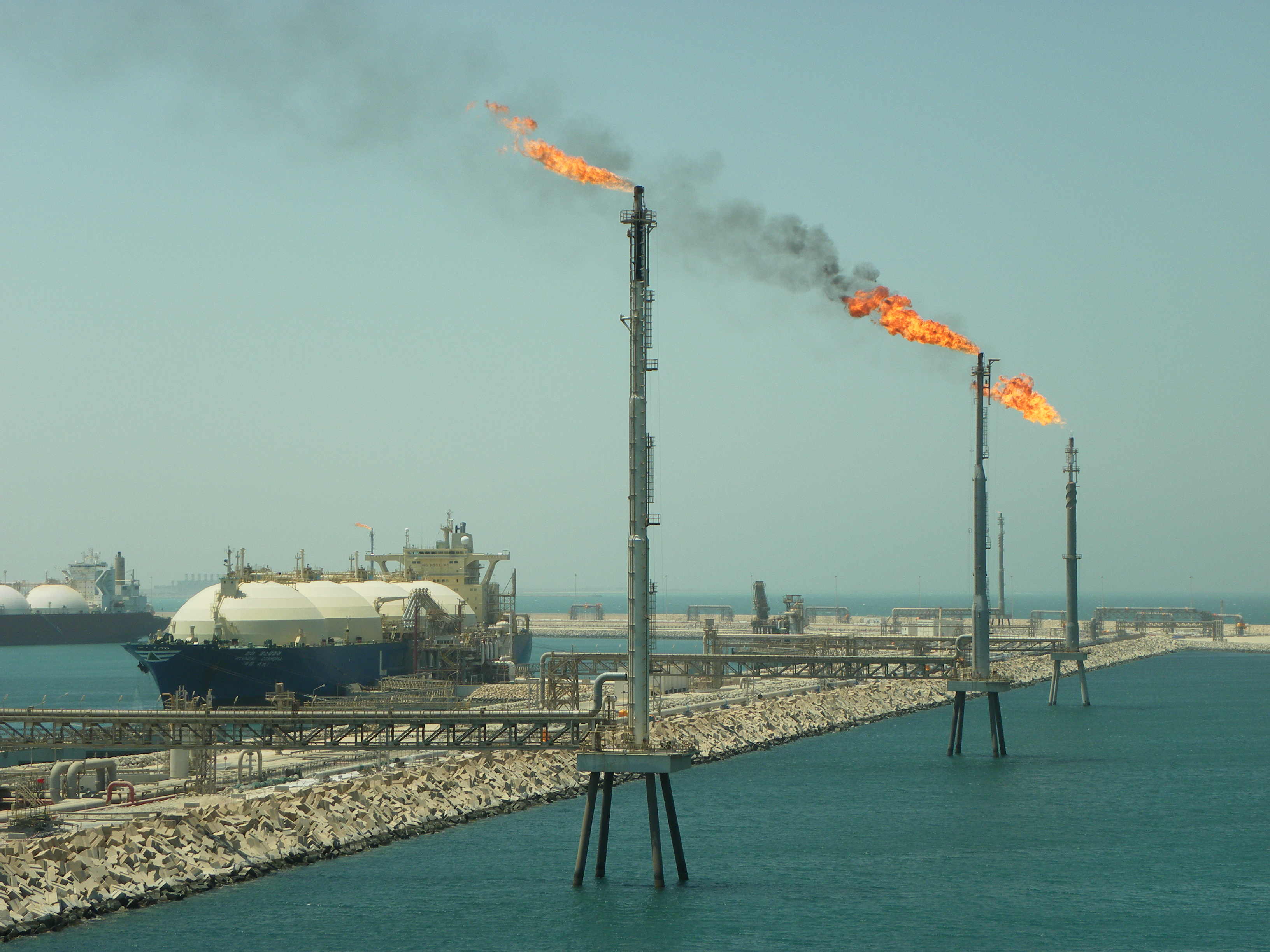
A massive explosion and fireball ripped through the Ras Laffan natural-gas export hub in Qatar on Sunday night [1].
The incident occurs at one of the world's most critical energy sites, threatening the stability of gas exports during a period of regional volatility. Because the facility is a primary hub for Qatar's energy economy, any prolonged shutdown could impact global energy markets.
Reports indicate that 54 people were injured in the blast [1]. Search and rescue teams are currently working to locate 18 people who remain missing [1], [2].
"Search and rescue operations are continuing to locate close to two dozen people who remain missing," the Qatar Interior Ministry said [2].
The explosion occurred while workers were attempting to resume operations at the terminal [1]. The facility had previously been offline after being targeted by Iran during the war [1].
Earlier in March, an Iranian missile struck the Ras Laffan complex, sparking a fire that caused extensive damage before emergency crews extinguished the flames [3]. The Sunday night blast happened as technicians worked to bring the damaged systems back online [1].
Visual reports from the scene showed a massive fireball and thick plumes of smoke rising from the facility [3]. Qatar officials have not yet released a formal cause for the secondary explosion, though it happened during the restart process [1].
“54 injured, 18 missing as massive explosion rocks Qatar Ras Laffan gas hub”
The blast highlights the precarious state of critical energy infrastructure in the region following kinetic strikes. The fact that a secondary explosion occurred during a restart attempt suggests that previous damage from the March missile strike may have been more systemic than initially reported, potentially complicating Qatar's efforts to maintain its status as a reliable global LNG supplier.


