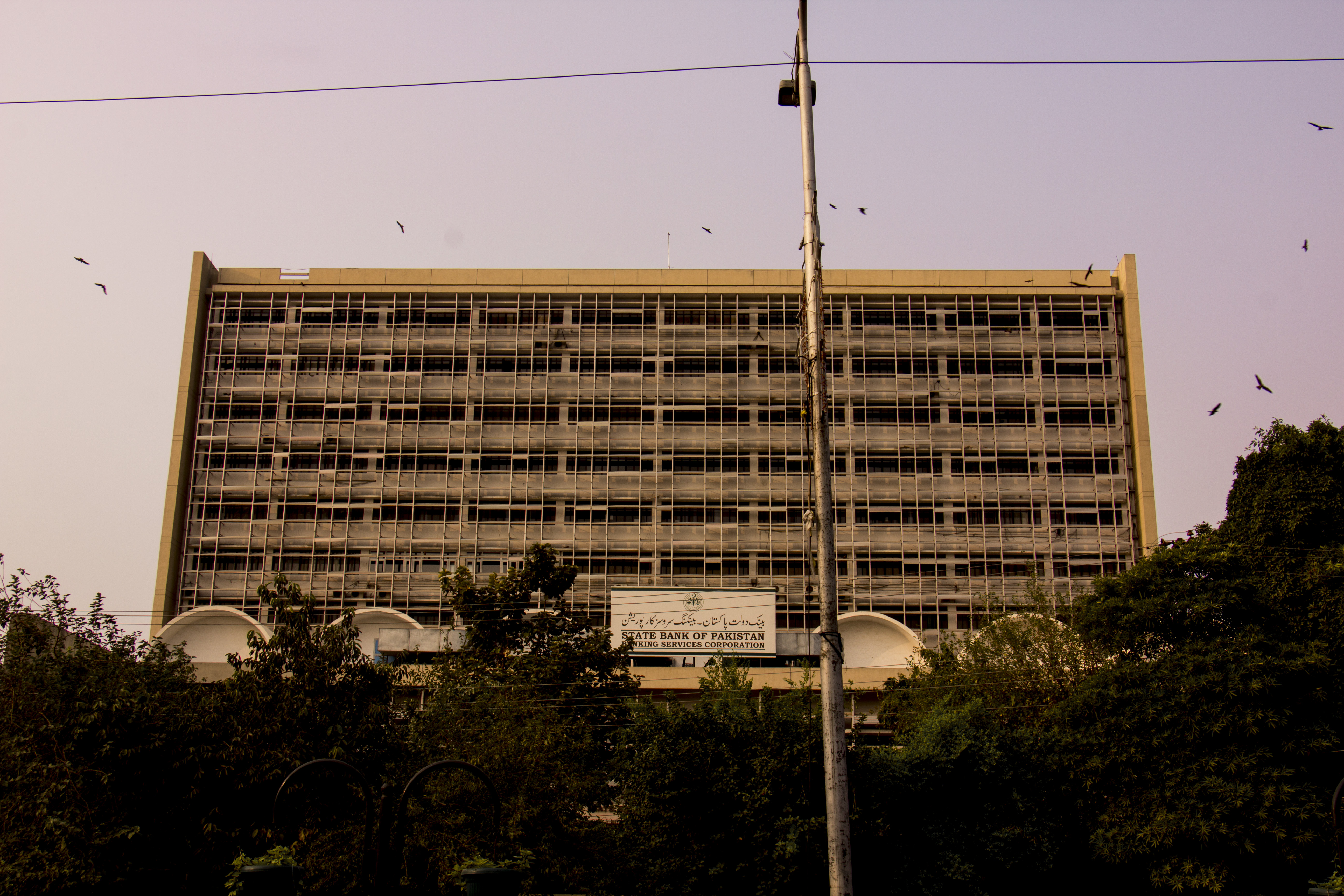
The State Bank of Pakistan maintained its policy interest rate at 11.5% [1] in its latest monetary policy announcement.
This decision reflects the central bank's attempt to balance economic growth with the need to curb inflation. By holding the rate steady, the SBP is signaling a cautious approach to monetary tightening while monitoring external economic shocks.
Officials said the decision followed a comprehensive review of current inflation trends [1]. The bank also considered the impact of global oil price pressures, which often drive up domestic costs for fuel and transport [2].
Additionally, the SBP evaluated recent budget measures to determine if the current rate remained appropriate for the national economic trajectory [1]. The policy rate serves as a primary tool for the bank to control the money supply, and manage the cost of borrowing across the country [2].
Market analysts typically watch these announcements to gauge the future cost of loans for businesses and consumers. A steady rate suggests that the central bank does not currently see a need for further aggressive intervention to stabilize the currency or dampen spending [1].
While the rate remains unchanged at 11.5% [2], the bank continues to monitor the volatility of international markets. The interplay between domestic fiscal policy and global energy prices remains a central concern for the SBP's monetary strategy [1].
“The State Bank of Pakistan maintained its policy interest rate at 11.5%”
The decision to hold the policy rate at 11.5% indicates that the State Bank of Pakistan is in a holding pattern, waiting for more definitive data on inflation and the effectiveness of recent budget measures. Because the bank cited oil prices and inflation, this suggests that external global volatility remains a significant risk to Pakistan's domestic economic stability, limiting the bank's ability to lower rates and stimulate borrowing.


