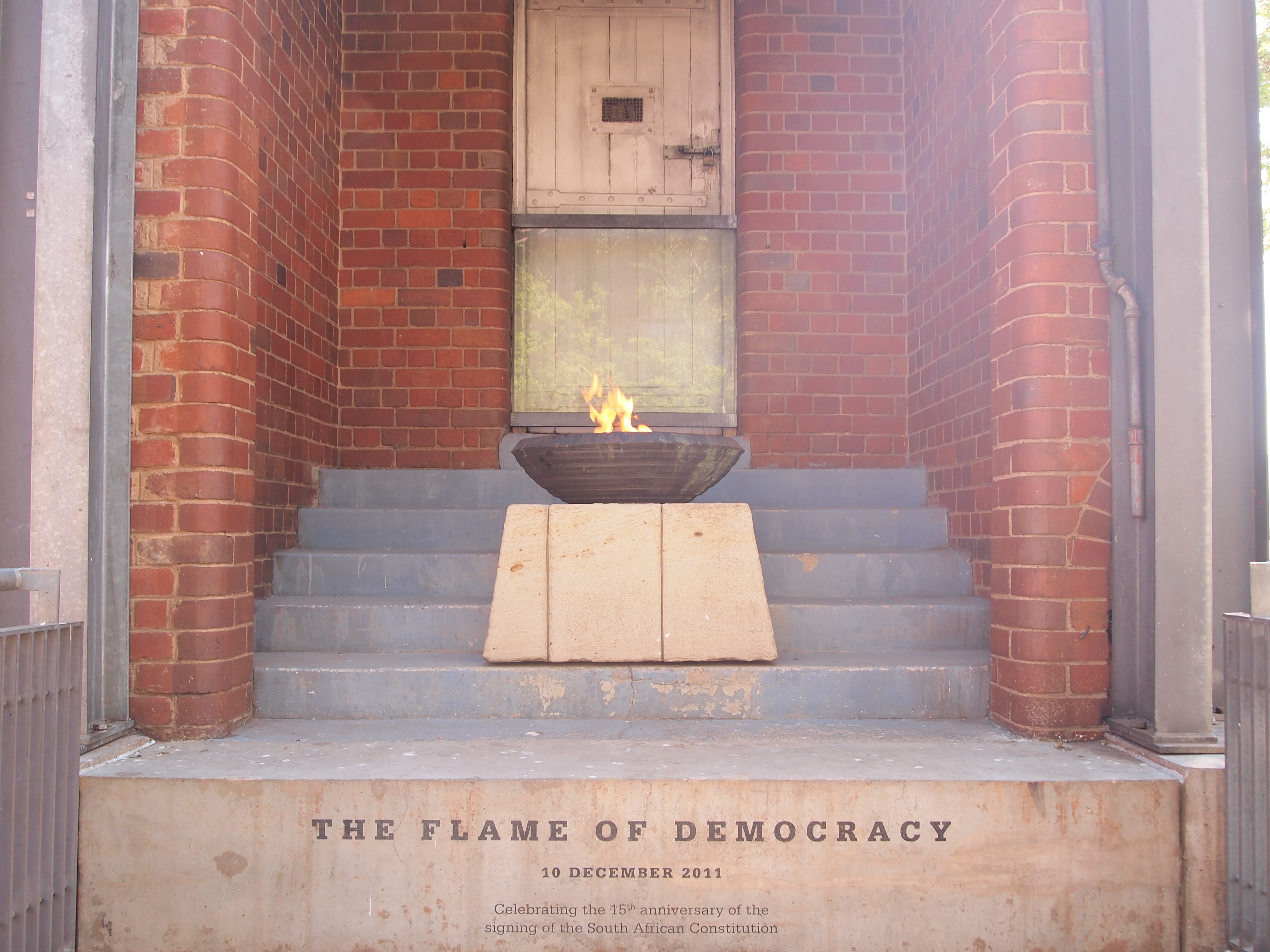
South Africa is assessing its progress in delivering constitutional rights 30 years after the adoption of its 1996 Constitution [1].
This milestone serves as a critical evaluation of whether the promises of human dignity, equality, and freedom have become a reality for ordinary citizens. The assessment is particularly focused on the youth, who have grown up entirely under the democratic framework established after the country became a democracy in 1994 [2].
Government officials and citizens are weighing the legal protections of the state against the lived experiences of the population. For some, the 1994 promise of equal rights and protection under the law remains the primary guiding principle for the nation [2]. However, this perspective is countered by reports that parties of patronage and corruption have undermined the delivery of these rights [2].
These systemic failures often manifest in the struggle for land and environmental protections. In 2025, communities opposed to oil exploration and seismic surveys organized a march to defend their land rights [3]. Such movements highlight a recurring gap between the high legal standards set by the Constitution and the actual enforcement of those rights on the ground.
The 1996-1997 adoption of the Constitution was intended to dismantle the legacy of apartheid and ensure justice for all [1]. While the legal architecture for a fair society exists, the disparity in wealth and access to justice continues to prompt debate over the state's efficacy in meeting its mandate [2].
As the country reflects on these three decades, the tension remains between the idealized version of South African citizenship and the practical challenges of governance and corruption [2]. The ongoing activism from environmentalists and community leaders suggests that the legal battle for constitutional fulfillment is far from over [3].
“South Africa is assessing its progress in delivering constitutional rights 30 years after the adoption of its 1996 Constitution.”
The 30-year anniversary of the Constitution reveals a dichotomy between South Africa's world-leading legal framework and its socio-economic reality. While the Constitution provides a robust mechanism for claiming rights, the persistence of corruption and land disputes suggests that legal victory does not always translate into material improvement for the marginalized.


