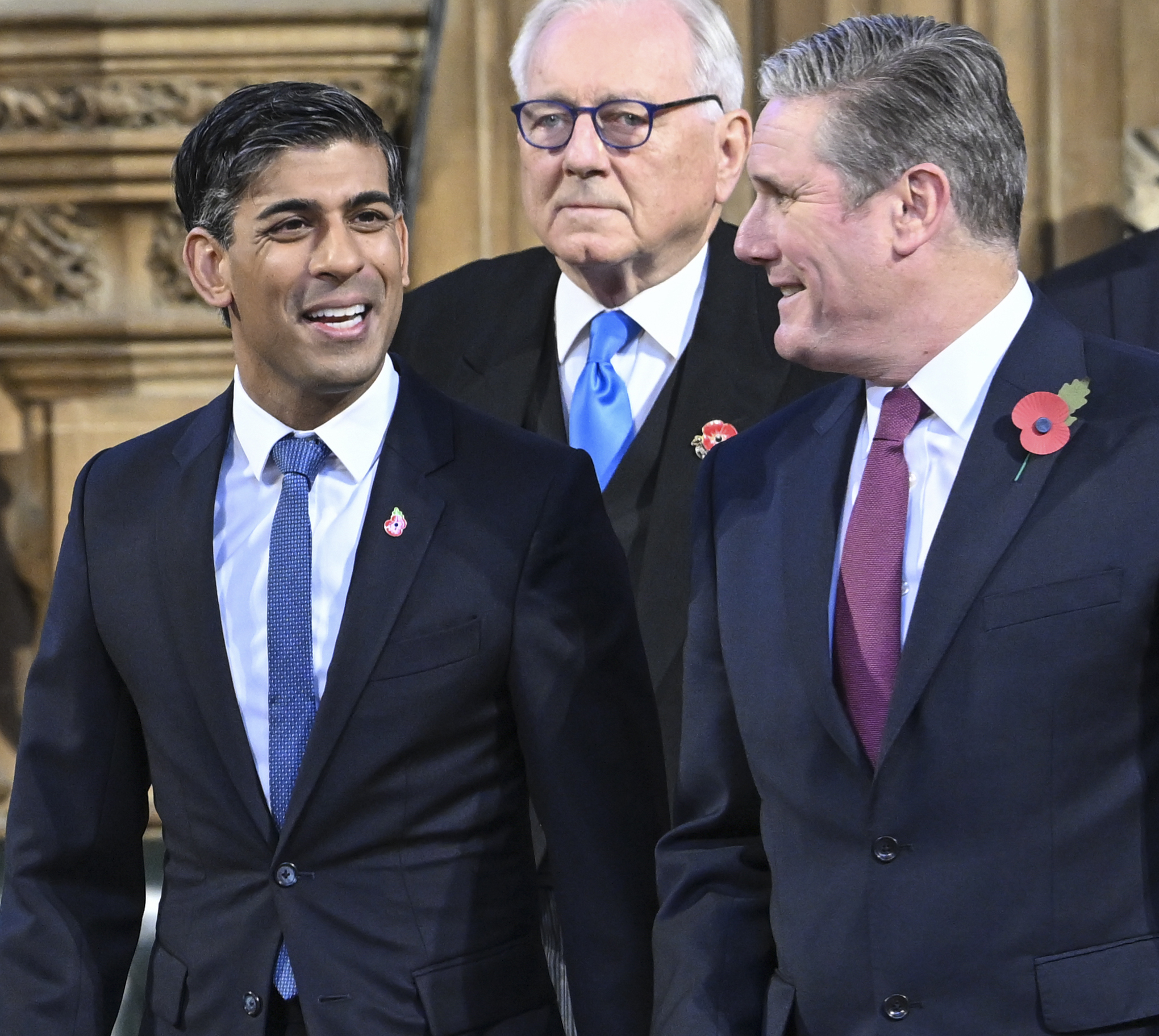
Prime Minister Keir Starmer announced his resignation in June 2026 [2] after serving two years in office [1].
The exit marks a pivotal moment for the Labour government as it attempts to reboot its image and policy direction following a series of crushing losses in recent local elections. These electoral defeats triggered a party mutiny that made Starmer's position untenable.
Labour Party chair Anna Turley discussed the transition during an interview with Sky News. Turley said the party is currently navigating turbulent times. She addressed the expected succession of Greater Manchester Mayor Andy Burnham, who is viewed as the leading candidate to take over the leadership.
Turley said the party must now focus on its future direction, specifically regarding fiscal policy, and welfare reform. The leadership transition comes at a time when the party is struggling to maintain unity amidst internal pressures and the scrutiny of public life.
Starmer's tenure lasted two years [1] before the push for a government reboot became inevitable. The party now faces the challenge of stabilizing its ranks while selecting a leader capable of reversing the trend of local election losses.
Burnham's potential ascension is seen as a strategic move to shift the party's momentum. Turley said the focus remains on establishing a cohesive vision for the country's governance during this period of instability.
“We're in turbulent times”
The resignation of Keir Starmer signals a crisis of confidence within the Labour Party's current leadership model. By transitioning to a figure like Andy Burnham, the party is likely attempting to pivot its strategy to regain grassroots support lost in local contests. This leadership change is not merely a change in personnel but a systemic attempt to avoid a broader electoral collapse by resetting the party's fiscal and social priorities.


