Janeese Lewis George won the Democratic primary for mayor of Washington, D.C., leading the field by a significant margin [1].
The result marks a potential shift toward democratic socialism in the nation's capital. This outcome has prompted a direct challenge from former President Donald Trump, who suggested the federal government could intervene in the city's local governance.
According to data from Decision Desk HQ, Lewis George secured approximately 53 percent of the vote [1]. This puts her 16.28 percentage points ahead of the second-place candidate, Kenyan McDuffie [1]. The primary election took place on Tuesday, June 9 [2].
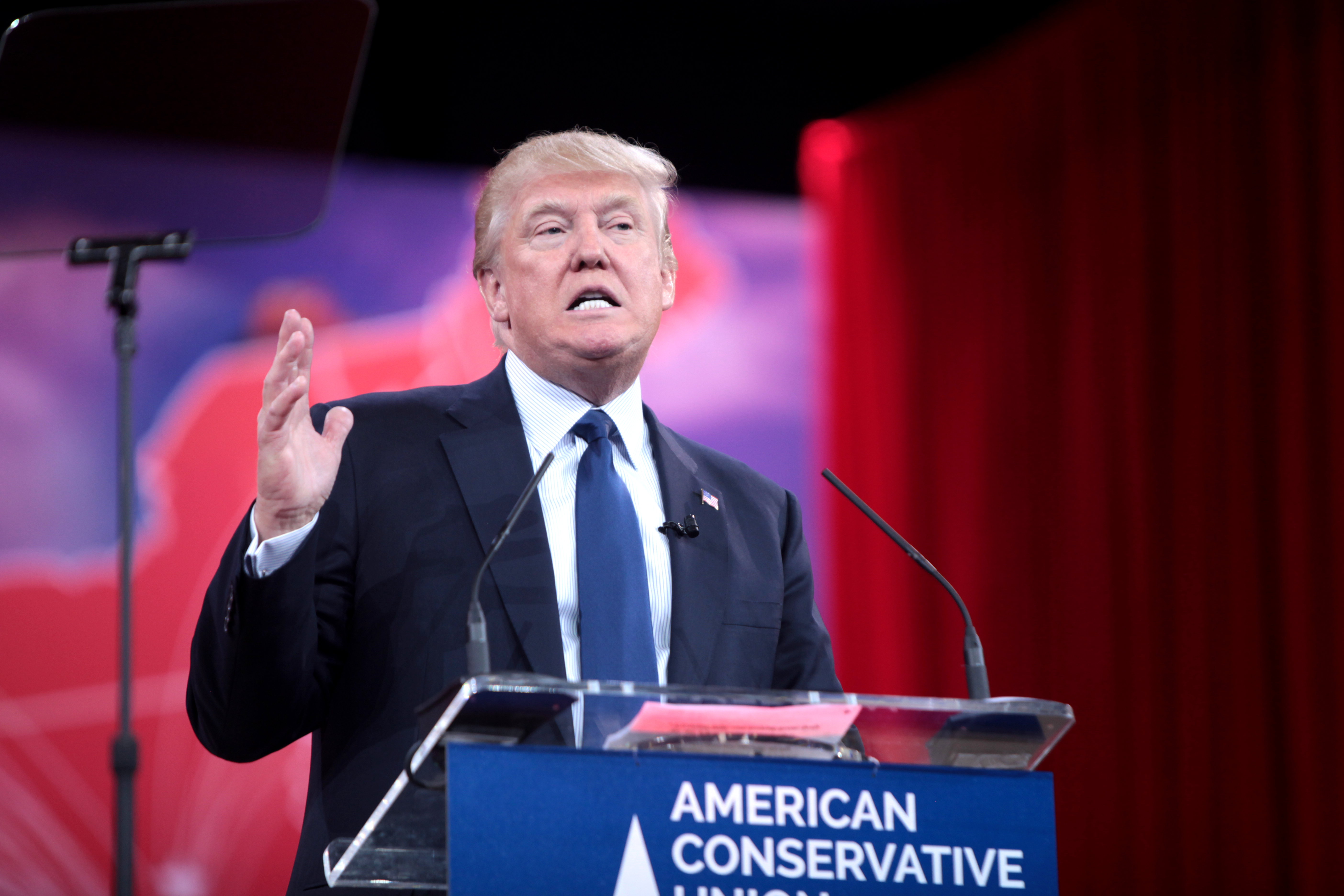
Following the reports of the primary results, Donald Trump responded to the prospect of a democratic-socialist mayor. "We could take back Washington, D.C.," Trump said [2].
Trump has opposed the candidacy of Lewis George and suggested that a federal takeover could be used to block her specific policy goals [3]. The threat of federal intervention has become a focal point for local political discourse. One activist said that federal overreach is a major factor in the current race [3].
While the former president has signaled a desire for federal control, such an action would typically require congressional authorization. The tension highlights a long-standing conflict regarding the degree of autonomy granted to the District of Columbia, a city that lacks statehood and remains under the ultimate jurisdiction of the U.S. Congress.
“"We could take back Washington, D.C."”
The potential election of a democratic socialist mayor in Washington, D.C., creates a direct confrontation between local municipal preferences and federal oversight. Because D.C. is a federal district and not a state, the U.S. government maintains unique legal levers to intervene in its administration, making the city a primary battleground for broader national ideological conflicts.