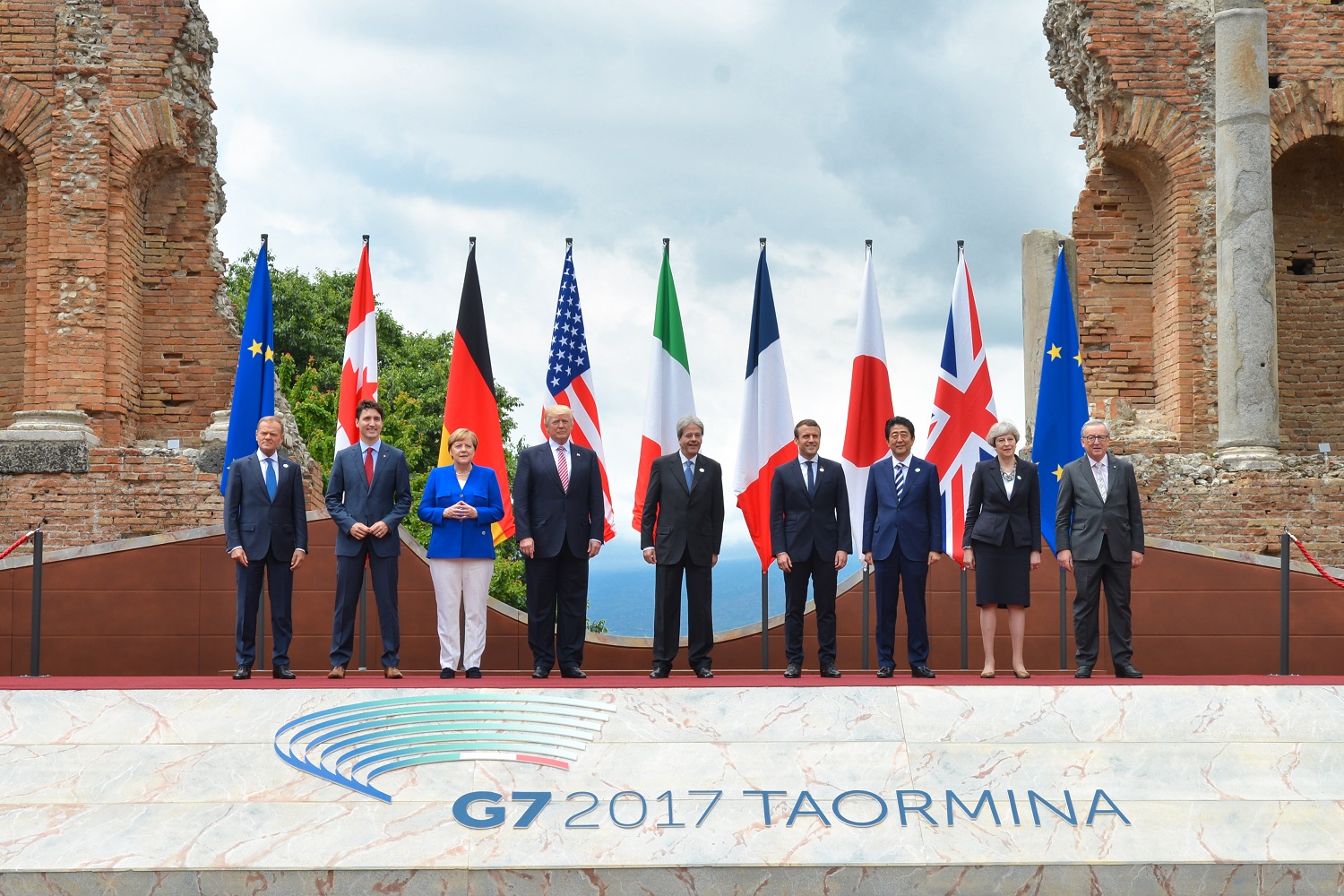
President Donald Trump said the U.S.–Iran nuclear deal is not final during a speech at the G7 summit in Evian, France, on June 17, 2026 [1].
The statement signals that the current diplomatic framework remains tentative and subject to further negotiation. This uncertainty creates a volatile environment for international security as the U.S. balances diplomatic outreach with the threat of military escalation.
Trump spoke at 9:30 a.m. [2] to promote a tentative agreement while emphasizing that the terms are not yet settled [3]. He said that if the final deal does not meet his requirements, he would "drop bombs smack in the middle of their head" [4].
The summit in Evian has served as a hub for discussing several global conflicts, including the war between Russia and Ukraine, and instability in West Asia [5]. Trump said the U.S. is seeking a more favorable outcome than previous iterations of nuclear agreements.
Beyond the Iran deal, the president addressed bilateral relations with other world leaders. During a meeting with Indian Prime Minister Narendra Modi, Trump said, "US and India cannot be closer than they are" [6].
Prime Minister Modi responded by focusing on the practical implications of the nuclear negotiations. He said the safety of Indian seafarers should be considered while implementing the deal [7].
The G7 proceedings in France continue to focus on economy, artificial intelligence, and global security as leaders attempt to synchronize their strategies for the remainder of the year [8].
“"US and India cannot be closer than they are"”
The administration's approach combines 'maximum pressure' with tentative diplomacy. By publicly stating the deal is not final and threatening military action, the U.S. is attempting to leverage the G7's collective influence to force more stringent concessions from Tehran before a formal agreement is signed.

