President Donald Trump (R-FL) is reviving his effort to fire Federal Reserve Governor Lisa Cook following a rejection from the Supreme Court.
The move represents a significant challenge to the independence of the U.S. central bank. By attempting to remove a governor, the president seeks to influence Federal Reserve policy ahead of a key vote.
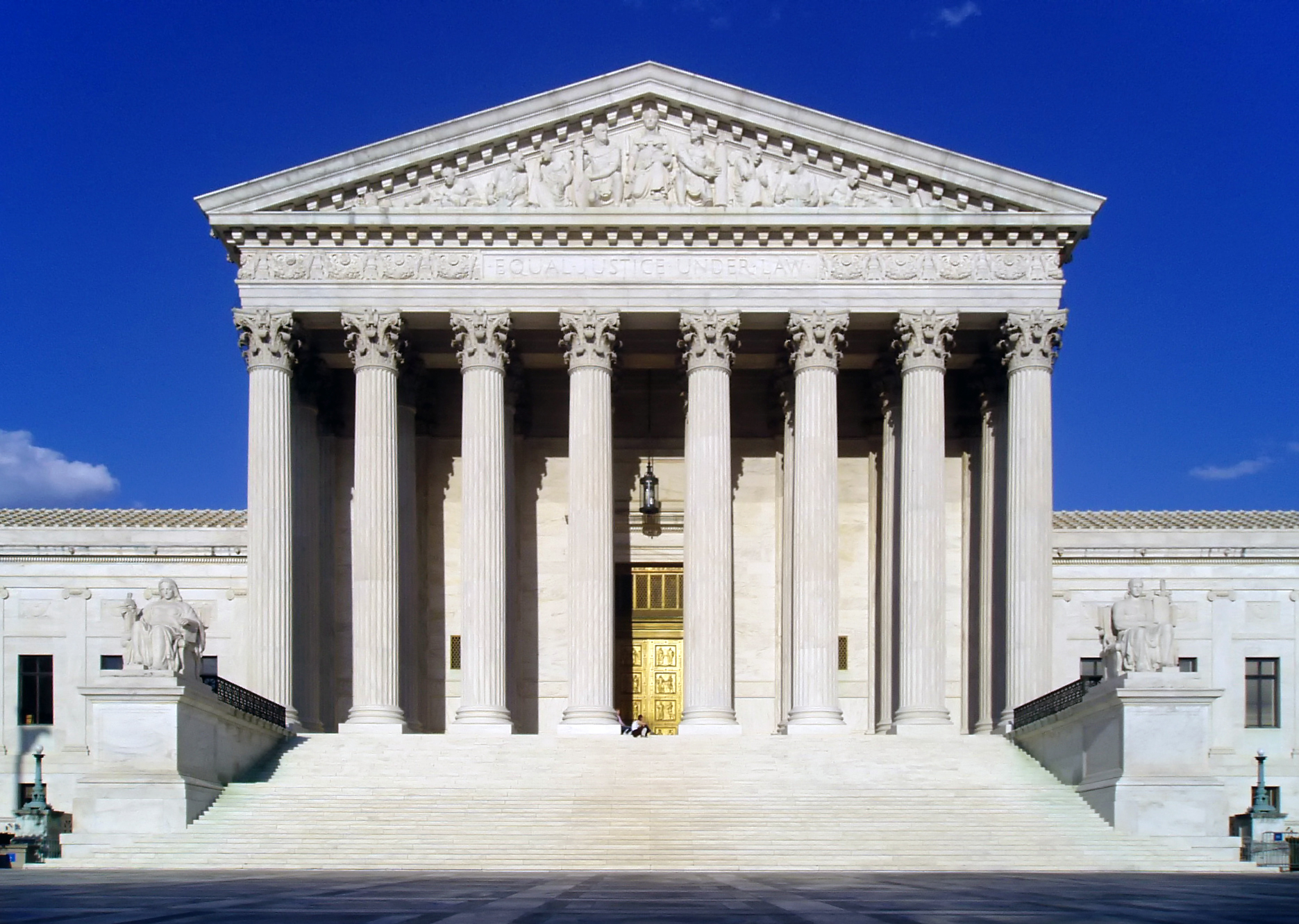
The Supreme Court issued its decision on Wednesday, declining to grant the president the authority to remove Cook [1, 2]. The court rejected the bid in a five-four vote [3]. This ruling leaves Cook in her current position on the Federal Reserve Board [1].
Trump has renewed his push to remove Cook despite the court's refusal [1, 4]. The president previously sought an emergency order from the court to facilitate the removal [5].
The Federal Reserve operates as an independent agency to ensure monetary policy is insulated from short-term political pressure. The tension between the executive branch and the board highlights a broader struggle over the control of interest rates, and economic steering in the U.S. [4].
Cook remains a member of the board as the administration continues to seek a legal path for her removal [1]. The narrow margin of the court's decision underscores a divided judicial view on the limits of presidential power over independent regulators [3].
“The Supreme Court rejected the bid in a 5-4 vote.”
This conflict centers on the legal definition of 'for cause' removal of Federal Reserve governors. If the president successfully removes a governor to influence policy, it could set a precedent that diminishes the central bank's autonomy, potentially leading to increased market volatility as investors weigh political influence against economic data.


