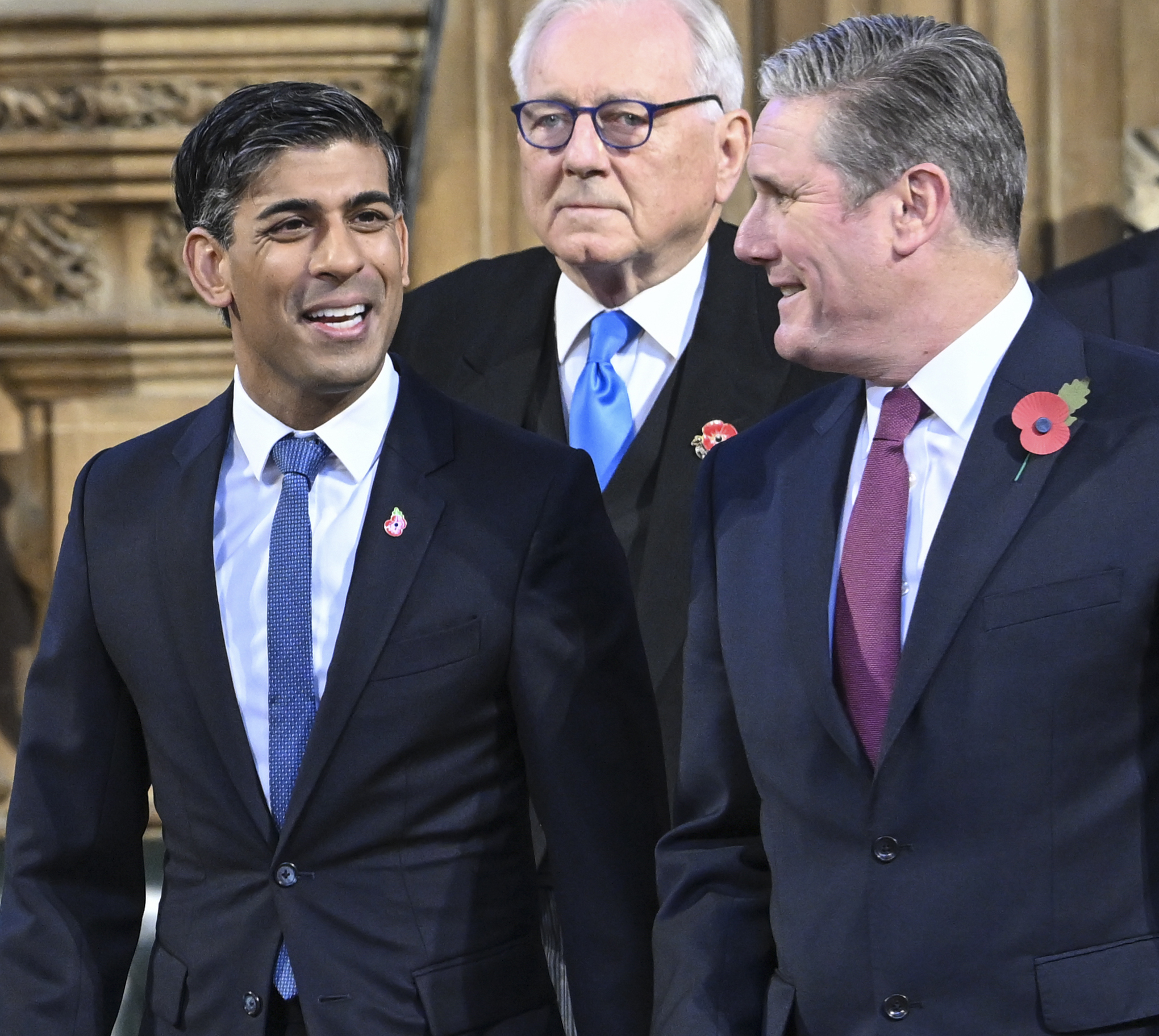
UK Prime Minister Keir Starmer may outline a timetable to resign from office as early as Monday, June 22, 2026 [1].
The potential departure of the prime minister signals a period of instability for the Labour Party. If Starmer stands down, it would trigger a leadership contest and could shift the trajectory of the British government during a time of heightened political friction.
Reports indicate that Starmer is considering the political realities of his position [3]. This comes amid growing pressure from within his own party and challenges from rivals, specifically Andy Burnham [4]. The speculation regarding his exit has reached a peak this week, with some reports suggesting he told his inner circle he is ready to stand down [2].
However, the prime minister has previously contradicted these reports. On June 19, 2026, Starmer vowed that he would not leave his post [2]. "I will not walk away," Starmer said [2].
External figures have also weighed in on the situation. Donald Trump commented on the speculation on June 20, 2026 [2]. "He will resign," Trump said [2].
The timing of this potential announcement follows a series of political setbacks. While Starmer previously vowed to fight any challenge to his leadership, the momentum of rival factions has increased [4]. A report from June 21, 2026, noted that the prime minister is weighing the current political climate before making a final decision [3].
Whether Starmer adheres to his earlier vow to stay or proceeds with a resignation plan remains unclear. The British government continues to operate under his leadership as the public awaits a formal statement from Westminster [1].
“"I will not walk away,"”
The tension between Starmer's public vows to stay and reports of a resignation plan suggests a fractured leadership within the Labour Party. A transition of power to a figure like Andy Burnham would represent a shift in party direction, potentially altering the UK's domestic policy and its relationship with international allies.


