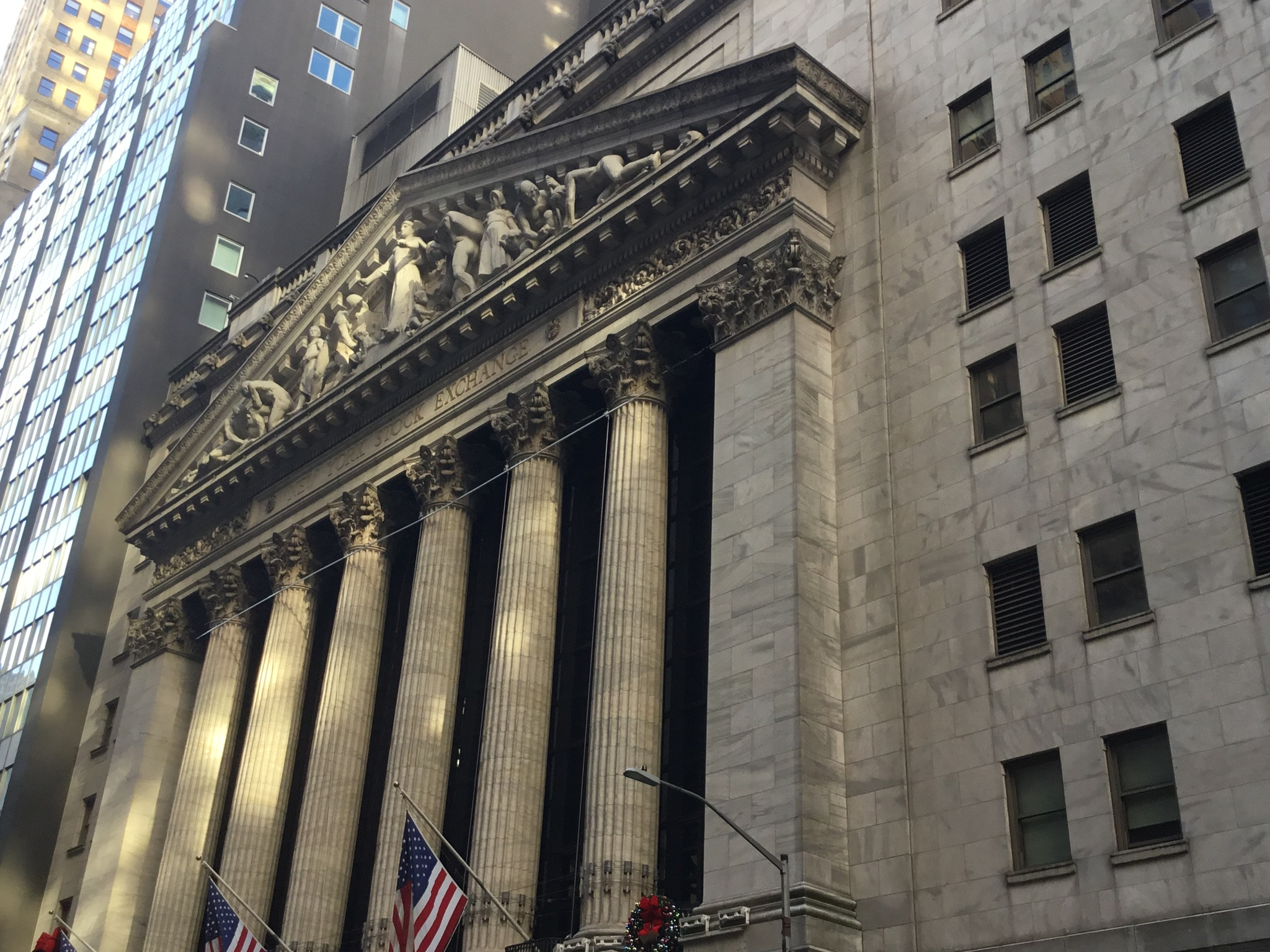
Stock markets in the U.S. and China saw reduced liquidity on Friday, Jan. 19, 2026, due to concurrent public holidays [1].
This reduction in liquidity matters because the closure of two of the world's largest financial hubs limits the ability of investors to execute large trades without causing significant price swings. When major exchanges are offline, the volume of available assets for trading drops, which can increase volatility in remaining active markets.
The market slowdown occurred as exchanges in both the U.S. and China closed their doors for the holidays [1]. In the United States, the closure coincided with the Martin Luther King Jr. holiday [1]. This simultaneous shutdown restricted the flow of capital and trading activity across both regions, a rare alignment that further constrained global market movement.
Financial data reported during this period showed the dollar exchange rate quoted at 5.16 BRL per USD [2]. This figure reflects the currency's valuation against the Brazilian real during the window of reduced trading activity.
Analysts said that the lack of liquidity is a direct result of the exchanges being closed, which effectively removes a massive amount of buying and selling power from the global system [1]. While individual traders may still operate in secondary markets, the absence of primary exchange operations typically leads to a quieter trading environment with wider spreads.
“Holidays in the United States and China are expected to reduce market liquidity.”
The synchronization of holidays in the US and China creates a liquidity vacuum that can amplify the impact of smaller trades and increase volatility. For global investors, this period represents a window of higher risk where the lack of deep market liquidity makes it more difficult to enter or exit positions at stable prices.


