President Donald Trump and the government of Iran signed a memorandum of understanding on Sunday, June 15, 2026 [1], to end their conflict.
The agreement aims to stabilize a volatile region by reopening the Strait of Hormuz and addressing hostilities involving Israel and Lebanon. Because the strait is a critical artery for global oil shipments, the deal seeks to prevent further economic shocks and military escalation.
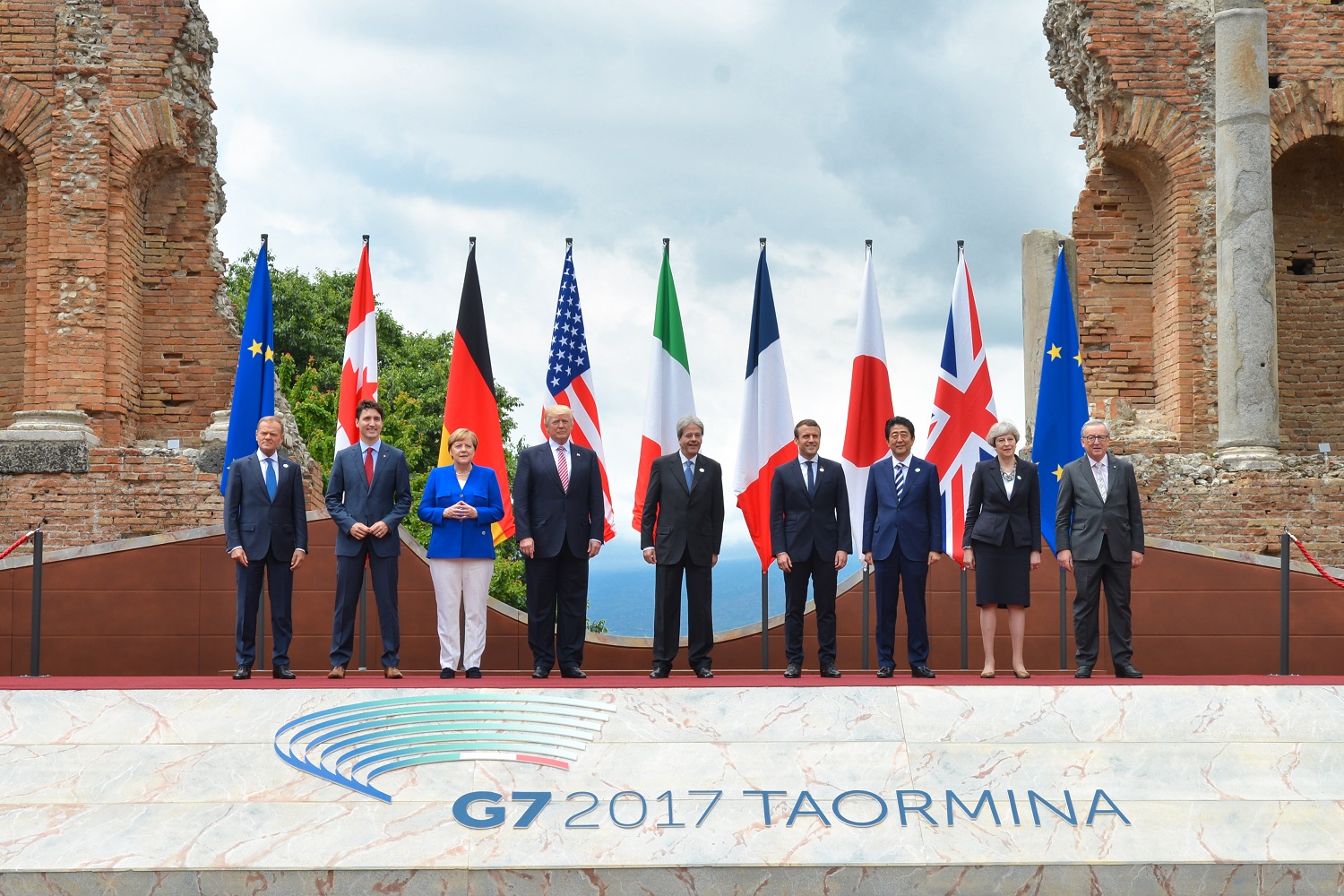
The electronic signing took place during the Group of Seven summit in France, which runs from June 15 to 17, 2026 [2]. The deal focuses on the cessation of hostilities and the restoration of maritime access to the strategic waterway. "Hormuz will reopen on Friday under the U.S.-Iran deal," Trump said [3]. This reopening is scheduled for June 21, 2026 [3].
Trump arrived at the summit seeking momentum for the agreement among the G7 leaders. While the nations gathered to discuss the tentative deal, reports differ on whether the group provided a uniform endorsement of the arrangement [4, 5].
The diplomatic push comes amid ongoing tensions in the Middle East. Trump said that the approach to regional stability requires more caution from other allies. "Netanyahu needs to be more responsible," Trump said [6].
The memorandum serves as a framework for ending the long-standing U.S.-Iran conflict. By coordinating the reopening of the strait, the two nations intend to lower the risk of accidental naval clashes, and ensure the flow of energy resources to global markets [1, 3].
“"Hormuz will reopen on Friday under the U.S.-Iran deal."”
The agreement represents a significant shift in U.S. foreign policy toward Iran, prioritizing the immediate restoration of global energy security over long-term sanctions pressure. By anchoring the deal to the G7 summit, the administration is attempting to legitimize the memorandum through international diplomatic channels, though the lack of a unanimous G7 endorsement suggests lingering skepticism among allies regarding the deal's durability.


