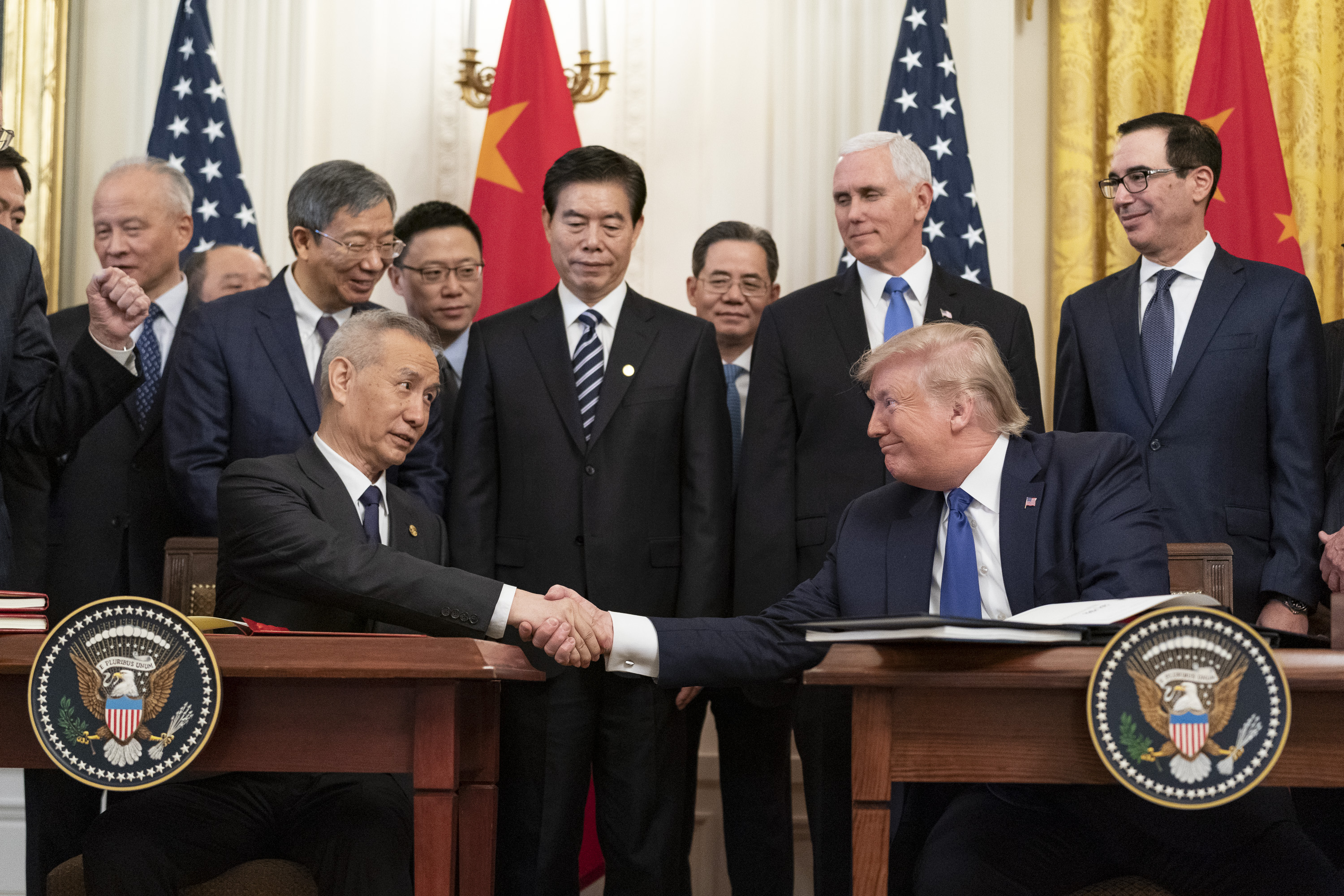
President Donald Trump signed an interim agreement with Iran on June 17, 2026 [1], to end the war and reopen the Strait of Hormuz.
The deal arrives at a critical juncture for global trade and regional stability. By halting military operations on all fronts, the agreement seeks to restore the flow of commercial shipping through one of the world's most vital maritime chokepoints.
The 14-point agreement [2] was signed via remote communication between the U.S. and Iran. The primary objectives of the pact are to cease active hostilities and ensure that navigation through the Strait of Hormuz is no longer obstructed.
Despite the diplomatic breakthrough, the agreement has not been met with universal approval within the president's own party. Some Republican allies have expressed dissatisfaction with the terms of the deal. These critics said the U.S. is granting excessive concessions to the Iranian government.
The tension within the Republican party reflects a broader debate over the strategy for dealing with Iran. While the administration views the interim deal as a necessary step to prevent further escalation, opponents argue that the framework gives up too much leverage.
This remote signing marks a shift in the conflict's trajectory, moving from active military engagement toward a negotiated ceasefire. The focus now remains on whether both nations will adhere to the 14 points outlined in the document to maintain a lasting peace.
“President Donald Trump signed an interim agreement with Iran on June 17, 2026”
The agreement represents a tactical pivot to prioritize the immediate stabilization of global energy markets and shipping lanes over the long-term goal of total Iranian capitulation. By opting for a 14-point interim framework, the U.S. administration is attempting to lower the temperature of the conflict, though the internal Republican backlash suggests that the political cost of these concessions may complicate the deal's longevity.


