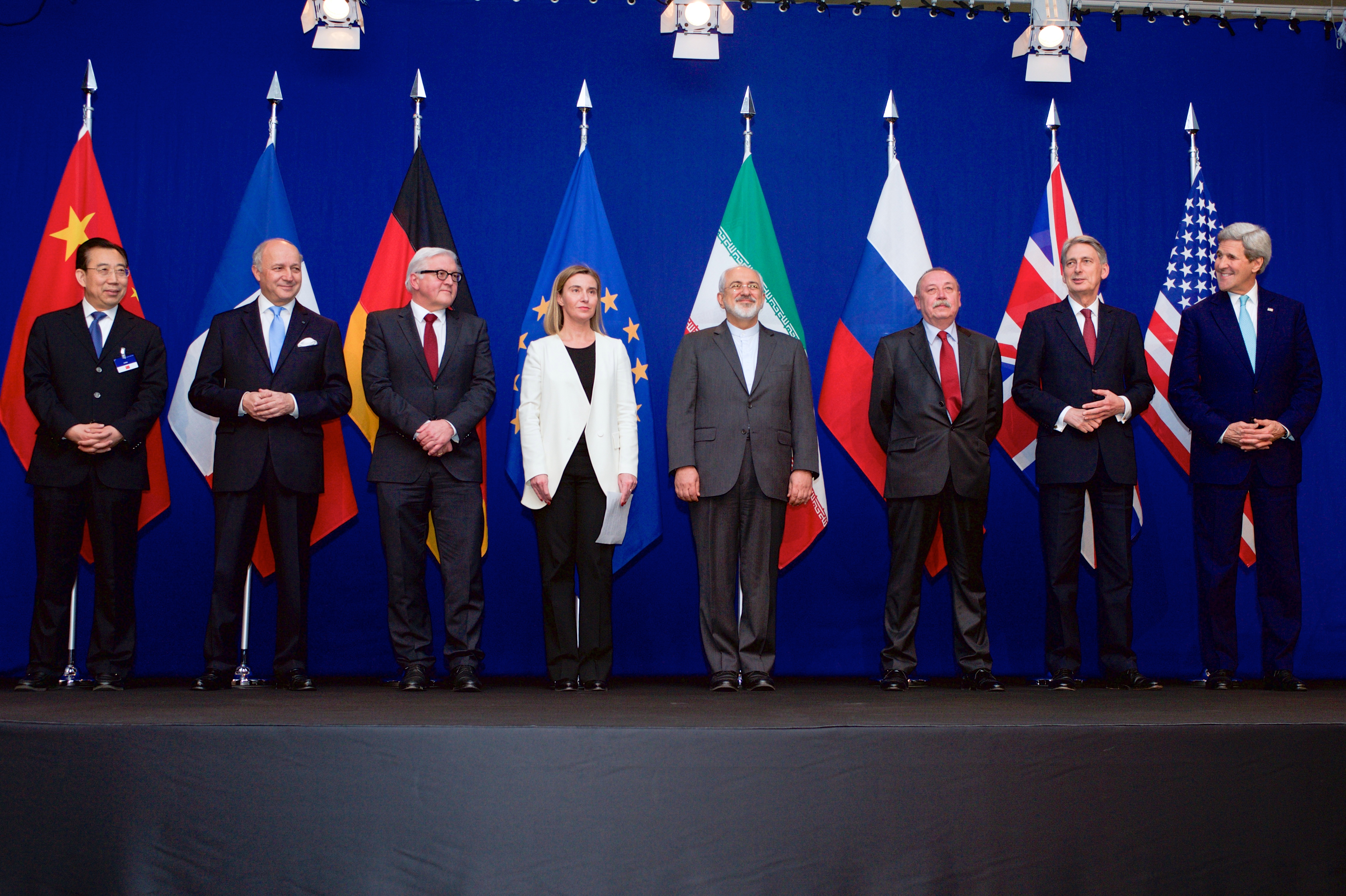
The United States and Iran announced a peace framework on Sunday, June 14, 2026, to end a war lasting four months [1].
The agreement aims to stabilize regional security and restore global trade by reopening vital shipping lanes in the Middle East. Because the conflict disrupted energy markets and escalated tensions in neighboring territories, the deal represents a critical effort to prevent a wider regional collapse.
Under the terms of the framework, the two nations will lift the U.S. naval blockade and reopen the Strait of Hormuz [2]. The deal also includes a cease-fire in Lebanon to halt ongoing hostilities [2]. These measures are designed to immediately reduce military friction while diplomatic channels remain open.
Pakistan Prime Minister Shehbaz Sharif was involved in the process and said Pakistan played a strategic role in facilitating the agreement [3]. The involvement of Islamabad suggests a shift in regional diplomacy, providing Pakistan with potential economic and diplomatic benefits as a mediator between the two powers [3].
Despite the announcement, some components of the agreement remain unsettled. Nuclear-related issues were not resolved in the current framework and are scheduled for later negotiations [4]. Some reports also indicate that President Donald Trump has requested changes to the proposed agreement, suggesting that certain details are still being finalized [5].
The framework serves as a temporary cessation of hostilities rather than a comprehensive treaty. By separating immediate security concerns, such as the blockade and the fighting in Lebanon, from the more complex nuclear disputes, the parties have created a path toward gradual stabilization [2], [4].
“The agreement aims to stabilize regional security and restore global trade by reopening vital shipping lanes.”
The decision to decouple immediate military cease-fires from long-term nuclear negotiations indicates a pragmatic approach to crisis management. By prioritizing the Strait of Hormuz and Lebanon, the U.S. and Iran are addressing the most volatile economic and territorial flashpoints first. However, the unresolved nuclear status and requested amendments by the U.S. administration mean the peace remains fragile and contingent on future high-stakes diplomacy.